The Biggest Difference Between Manual and Electric Wheelchairs
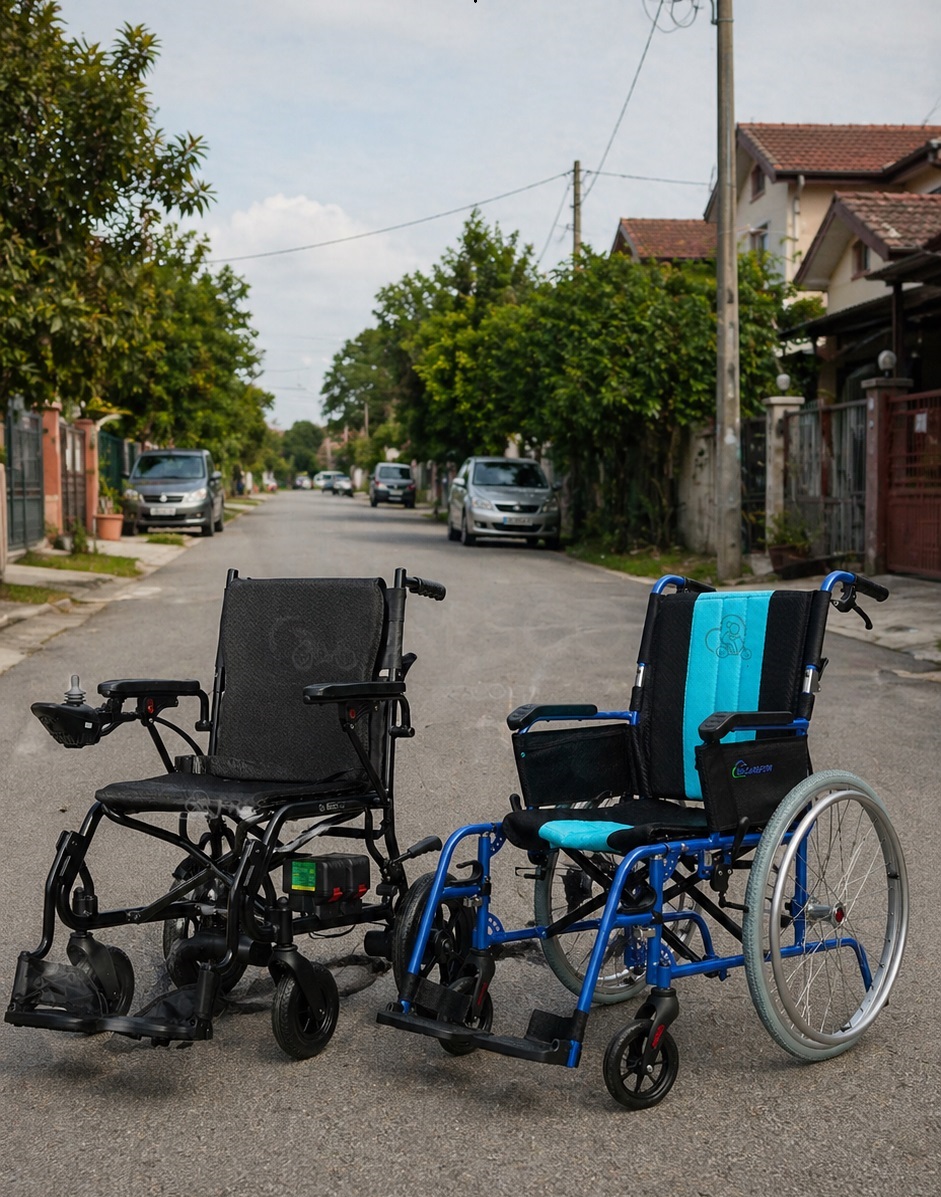
The biggest difference between a manual and an electric wheelchair is simple: one requires effort, the other doesn’t. A manual wheelchair needs you (or someone else) to push it, which can be tiring and limiting over time. An electric wheelchair, on the other hand, moves with just a joystick—no physical pushing needed—giving users a much easier and more independent way to get around.
Manual vs Electric Wheelchair: What’s the Real Difference?
Choosing between a manual and an electric wheelchair comes down to how much effort you want to use and how independent you want to be. A manual wheelchair requires physical strength or assistance to move, while an electric wheelchair lets you control everything effortlessly with a joystick. The comparison below breaks down the key differences so you can clearly see which option fits your daily lifestyle better.
Push vs Effortless Control
When it comes to physical effort, the difference is clear — manual wheelchairs rely heavily on your strength, while electric wheelchairs do the work for you. This affects not only comfort, but also how long and how far you can move each day.
Manual Wheelchair
- 💪 Requires consistent arm strength to move, turn, and stop
- 👵 Difficult for elderly users or those with weak upper body
- 🌄 Challenging on uneven surfaces (grass, ramps, long corridors)
- ⚠️ Needs proper technique to avoid shoulder strain
Electric Wheelchair
- 🎮 Controlled by joystick — minimal physical effort
- ♿ Suitable for users with limited strength or mobility
- 🔄 Smooth and easy control for all directions
- 🦾 Reduces strain on shoulders and arms over time
Tiring vs Energy Saving
Energy usage plays a big role in daily mobility. Manual wheelchairs can quickly drain your energy, while electric wheelchairs help conserve it, making longer use much more comfortable.
Manual Wheelchair
- 🔋 Energy drains quickly, especially over long distances
- ⛰️ Fatigue increases on slopes, ramps, and rough terrain
- 🛑 Frequent breaks or assistance may be needed
- 🚫 Not ideal for full-day outdoor activities
Electric Wheelchair
- 🔌 Battery-powered movement reduces physical exhaustion
- 🛣️ Can travel longer distances without tiring the user
- 🛍️ Great for daily errands, shopping, and hospital visits
- ⚙️ Consistent performance across different terrains (within limits)
Rely on Others vs Move Freely
This image clearly shows the real difference in independence. The manual wheelchair user depends on someone behind to move, while the electric wheelchair user can control everything on their own. This affects daily freedom, confidence, and the ability to go anywhere without waiting for help.
Manual Wheelchair
- 🤝 Often needs a caregiver to push, especially outdoors
- 🛑 Movement stops when no one is assisting
- 🚶 Limited freedom for solo activities
- ⏳ Must rely on others’ availability
Electric Wheelchair
- 🎮 Fully controlled by the user with a joystick
- 🚀 Can move independently anytime, anywhere
- 😌 Builds confidence and personal freedom
- 🛍️ Suitable for going out alone (shopping, daily errands)
Choose The Wheelchair That Fits Your Life
At the end of the day, the choice between a manual and an electric wheelchair comes down to effort vs independence. Manual wheelchairs can work for short distances and users who want light physical activity, but they often require strength or assistance. Electric wheelchairs remove that limitation—allowing users to move freely, conserve energy, and enjoy greater independence in daily life. If comfort, convenience, and freedom matter most, an electric wheelchair becomes more than just mobility—it becomes a better way to live.